
Ulrich Jung · 16 September 2026
Domain Relocation Dynamics: Safeguarding Search Performance When Providers Shift
Domain relocation occurs when website owners move their registered domains from one registrar or hosting provider to another, and observers note that this shift can influence search engine visibility if certain technical steps receive insufficient attention during the transition. Research indicates that the process typically spans several days to weeks depending on the providers involved, while data from regulatory bodies shows that authorization codes and transfer locks serve as standard safeguards against unauthorized moves. Experts have documented cases where incomplete propagation of DNS records led to temporary indexing gaps, yet those who coordinate the relocation with precise timing often maintain continuity in organic traffic patterns.
Core Elements of a Domain Transfer Sequence
Providers initiate transfers through a series of verification steps that include unlocking the domain, obtaining an authorization code, and confirming the request at both ends, and researchers have observed that delays at any stage extend the overall window during which search crawlers might encounter inconsistencies. According to information from ICANN transfer policies, the standard process enforces a 60-day lock after initial registration or prior transfers, which prevents rushed moves that could disrupt established indexing signals. Those who monitor registrar communications closely report fewer interruptions because they align the switch with periods of lower site activity, allowing search engines time to re-crawl updated records without abrupt changes.
Potential Effects on Search Visibility
Search engines track domain history through backlink profiles and content signals, so relocation that alters hosting environments without proper redirects can create duplicate content issues or broken internal links that affect crawl efficiency. Figures from industry reports reveal that sites experiencing extended downtime during provider changes often see temporary drops in ranking positions, although recovery follows once consistent access resumes and new DNS entries fully propagate across global servers. People who study these patterns note that HTTPS configuration mismatches after relocation sometimes trigger security warnings in search results, prompting immediate fixes to restore trust signals that engines use for evaluation.
Monitoring Tools and Verification Methods
Webmasters employ server logs, crawl simulators, and analytics platforms to track indexing status before and after a move, while data shows that scheduled checks every few hours during the transition window catch discrepancies early. Canadian regulatory updates from Innovation, Science and Economic Development Canada highlight the importance of maintaining consistent WHOIS records throughout the process, as discrepancies can flag domains for additional scrutiny by automated systems. Observers note that combining these checks with real-time alerts reduces the duration of any visibility gaps because adjustments happen before search algorithms finalize new evaluations.
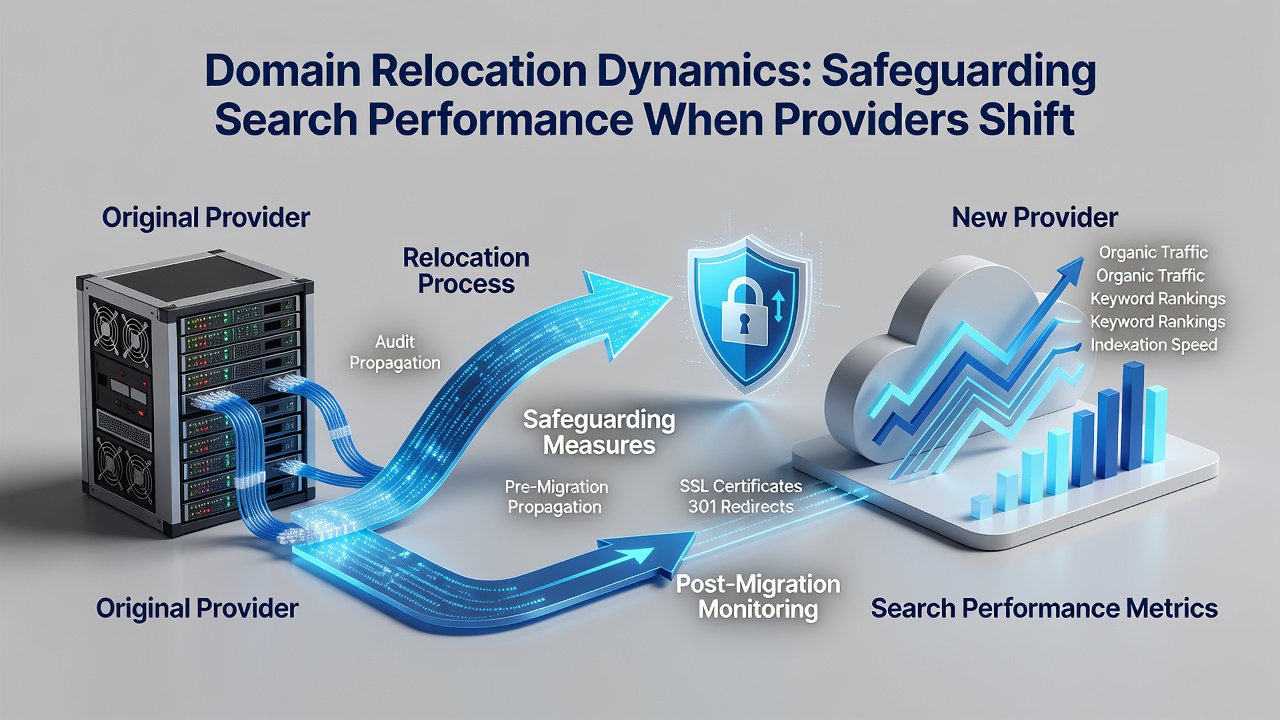
One documented approach involves staging the relocation on a test subdomain first, which allows verification of redirect chains and performance metrics without exposing the primary domain to risk, and studies confirm that this method preserves historical authority when the full transfer follows successful tests.
Adjustments in September 2026 Landscape
September 2026 brought updated registrar compliance requirements in several jurisdictions that emphasize faster propagation reporting, and evidence suggests these changes shortened average transfer times for compliant providers while increasing documentation demands for larger portfolios. Those who track registrar announcements report that enhanced API integrations now allow more precise scheduling, reducing the overlap between old and new hosting environments that previously caused indexing conflicts. Research indicates that domains undergoing relocation in this period benefited from improved monitoring dashboards offered by major providers, which flag potential SEO impacts through integrated crawl data.
Long-Term Preservation Strategies
Post-relocation audits focus on backlink integrity, sitemap submissions, and mobile compatibility checks because providers may alter server configurations that affect page load speeds and therefore ranking factors. Experts have observed that gradual rollout of updated canonical tags prevents search engines from treating relocated content as new, preserving accumulated authority signals across the transition. People managing multiple domains often stagger transfers across weeks rather than executing them simultaneously, which spreads any temporary effects and allows incremental verification of search performance metrics.
Conclusion
Domain relocation succeeds when technical sequences align with established search engine expectations around redirects, DNS stability, and record consistency, and available data continues to show that proactive monitoring throughout the process minimizes visibility interruptions. Observers note that adherence to evolving registrar protocols, including those updated around September 2026, supports smoother handoffs between providers while safeguarding the accumulated performance indicators that matter for organic reach.